Simplified tips for goal setting and planning.
Do you ever feel like you’re busy running your business but not really moving the needle toward what you truly want? Maybe you have endless to-dos, yet the bigger picture feels blurry. Or perhaps the thought of goal-setting makes you tense, as if it’s just one more task on your already full plate.
You’re not alone. Many solopreneurs, coaches, and wellness-focused entrepreneurs struggle with planning. The good news is that planning doesn’t need to feel rigid or stressful. With a few aligned questions and simple steps, you can create a plan that feels like you and actually works.
Let’s get into what matters most:
- How to get crystal-clear on your big-picture goals
- How to make your goals actionable and realistic
- How to overcome common challenges like limited time, resources, or support
- How to balance day-to-day tasks with long-term vision
- How to track progress, stay flexible, and celebrate wins
I’m also sharing a free daily planner to help you start using these steps today.
Step 1: Get Clear on Your Big Picture
Key question: “How do I know what my real goals should be?”
Before you can set achievable goals, you need clarity about what truly matters. Many entrepreneurs start planning with “what should I do?” rather than “what do I really want?” This approach often leads to busywork and overwhelm.
Try this mini-exercise:
- Take 5–10 minutes and write down what success looks like in your business in one year.
- Don’t think about numbers or deadlines yet. Focus on the feeling. How does your day feel when you’re successful? How does your business impact others?
- Look for themes or priorities: client growth, content creation, lifestyle balance, financial freedom, or impact.
Once you identify the big-picture vision, narrow it down to 3–5 meaningful goals for the year. For example:
- “Enroll 12 ideal clients in my coaching program.”
- “Free up 8 hours per week to focus on strategy and self-care.”
- “Publish 24 educational blog posts that attract my dream audience.”
Tip: Make sure your goals reflect your values and align with your long-term vision. Planning without alignment leads to frustration, not results.
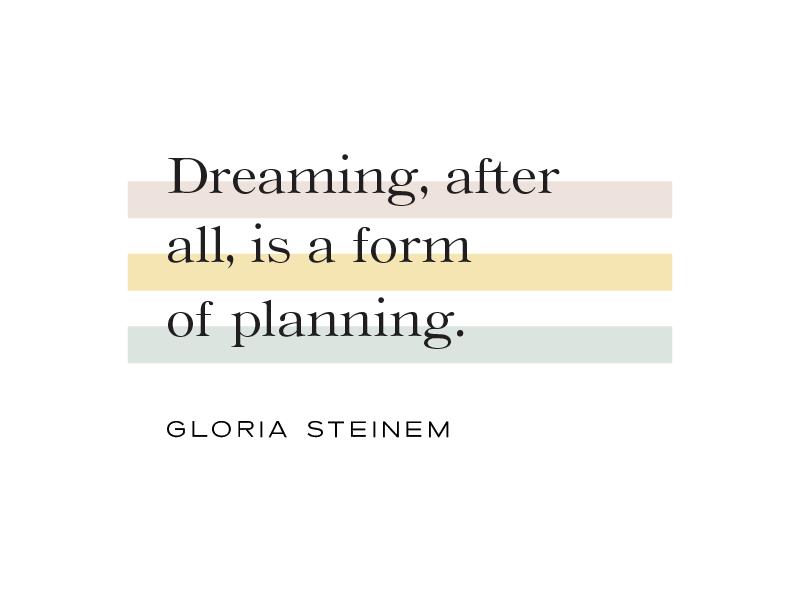
Start by imagining the future you want most.
Allow yourself to dream big. What are your biggest goals, visions and ambitions? What is your ideal vision for your future? Visualize your future by creating a vision board.
A vision board is a visual representation of your goals. While a moodboard is for aesthetics, a vision board is a way to set your intentions on what you want for the future.
To create a vision board, start a collection of things that inspire you. Gather things that represent your future goals and aspirations. Place your board somewhere you will see it everyday to act as a reminder and keep you motivated.
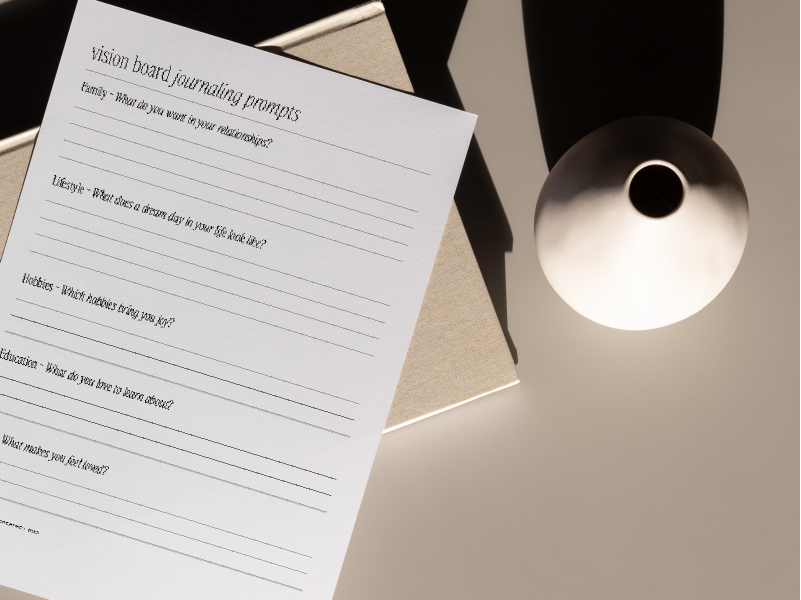
Here are a few journaling prompts to get you started:
Health – How are you nourishing your mind, body and soul?
Career – What kind of work do you love doing?
Wealth – What does a wealthy life look like to you?
Travel – Where do you want to travel?
Family – What do you want in your relationships?
Lifestyle – What does a dream day in your life look like?
Hobbies – Which hobbies bring you the most joy?
Education – What do you love to learn about?
Love – What makes you feel loved?
Once you have the big picture of your dream vision for your future, it’s time to break it down and start planning. Define your priorities. What areas of your life matter most to you?
Once you know what matters most, it’s time to break it into manageable pieces.
Step 2: Keep Your Goals Manageable
Key question: “How do I make my goals doable, not too big or too vague?”
Big goals can feel exciting, but they can also feel overwhelming if you don’t break them down. That’s why actionable steps matter so much.
Here’s a simple approach:
- Pick one big goal.
- Ask yourself: What’s a milestone I can hit in the next 90 days?
- Break that milestone into smaller, weekly or even daily steps.
Reflective questions to guide your planning:
- What resources do I already have?
- What do I need, such as time, support, money, or skills?
- What’s one tiny step I can take today to move this forward?
Framework reminder: You can use the SMART method (Specific, Measurable, Achievable, Relevant, Time-bound), but don’t get stuck in complexity. The goal is clarity and action, not perfection.
Breaking goals into bite-sized steps reduces overwhelm and makes progress tangible. Small wins build momentum, motivation, and confidence.
Step 3: Work with the time and resources you have
Key question: “What if I don’t have enough time, money, or support?”
If your schedule is overflowing and you’re juggling what feels like a dozen roles, planning can seem out of reach. The good news is that you don’t need endless hours or a huge budget to move forward. You just need a few smart, aligned choices that create real momentum.
Here are some gentle strategies to help you move through those constraints with more ease:
- Prioritize one goal per quarter. When you focus on just one meaningful direction, everything feels lighter and more doable.
- Try the 80/20 rule. Look for the small actions that create big results and let the rest go.
- Build support around you. Lean on an accountability partner, a mentor, or a community. And if something isn’t your zone of genius, it’s okay to delegate or outsource.
- Be kind to yourself. Small, consistent steps add up beautifully over time. Celebrate the progress you’re making, even if it feels tiny.
Planning doesn’t need to be perfect. Think of it as a steady, intentional movement toward the life and business you’re excited to build. And that’s something worth feeling joyful about.

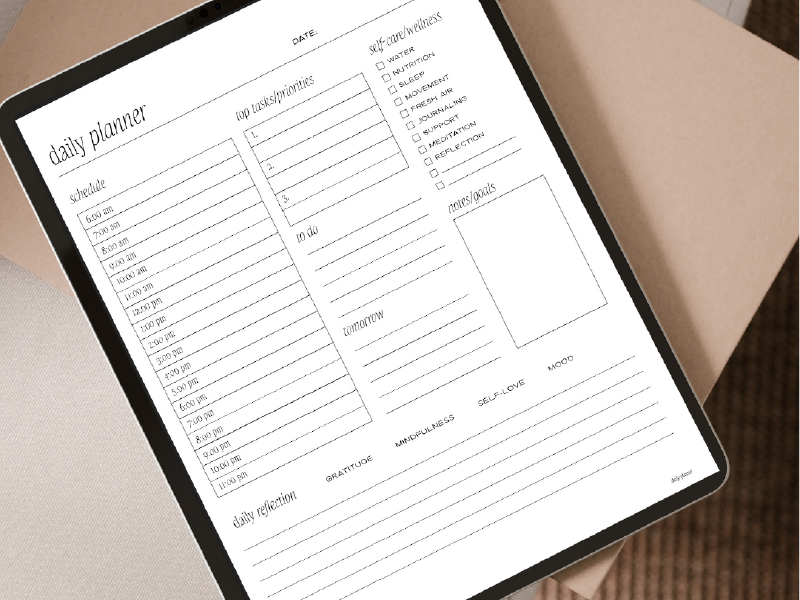
Step 4: Balance the day-to-day tasks with long-term vision
Key question: “How do I balance daily tasks with long-term planning?”
Planning doesn’t need to feel like a separate project you have to squeeze in. Think of it more as a gentle rhythm—a simple way to stay connected to your bigger vision while still managing what’s right in front of you.
Set a Review Cadence
Daily (15 minutes):
Choose your top 3 priorities for the day. Review your schedule and take a few minutes to reflect at the end of the day. Here’s a free daily planner to get you started.
Weekly (30 minutes):
Choose your one big focus for the week and check in on your smaller steps.
Monthly (60 minutes):
Review your milestones. Notice what’s working, what’s not, and where you may want to shift.
Quarterly (2 hours):
Reassess your goals and make sure they still align with your long-term vision and any changes in your life or business.
Mini Weekly Planning Template
One big priority for the week
Three smaller actions that support it
Identify possible obstacles and simple solutions
Add a moment for reflection and celebrate your wins—no matter how small
When you build these check-ins into your routine, balancing long-term strategy with daily action becomes natural. You stay grounded, intentional, and far less overwhelmed.
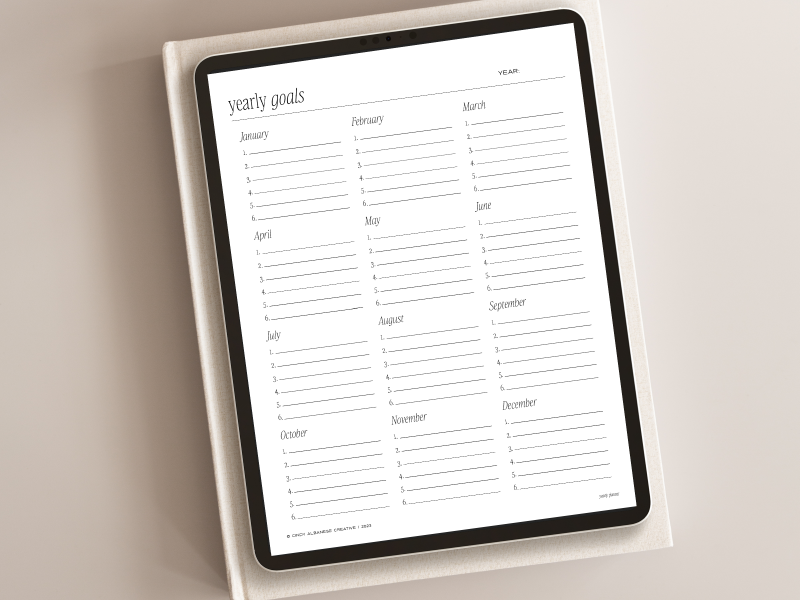
Yearly Overview
Start by reflecting on the past year. What wins are you celebrating? What challenges did you navigate? Where did you grow, practice mindfulness, or show yourself more love?
Then look forward. What lessons are you carrying with you? What will you keep doing, shift, or let go of? What worked—and what didn’t?
Journaling Prompts
What was my biggest challenge this year?
What am I most proud of?
What or who can I express gratitude for?
What are my biggest goals for next year?
Once you have that clarity, begin mapping out the year ahead: important dates, milestones, bucket-list items, and anything that supports your long-term vision. From there, take your big dreams and begin shaping them into a plan by prioritizing what matters most right now.
Quarterly Overview
Start with Q1. Outline your top priorities for the quarter, then decide what you’ll focus on each month.
Break those monthly goals into weekly tasks.
Break those weekly tasks into daily actions.
Monthly Overview
Use your quarterly goals as your guide and break them down into smaller, monthly milestones.
Weekly Overview
Take each monthly goal and map out what needs to happen, week by week.
Daily Overview
Turn your weekly plan into simple, doable daily tasks.
Do:
Map out tasks for each month
Break them into weekly tasks
Break weekly tasks into daily actions
Keep it simple—three top tasks per day is plenty.
And remember: life gets busy. Be flexible and kind to yourself if things shift. Progress matters far more than perfection.

Step 5: Measure progress and stay flexible
Key questions: “How will I know if I’m making progress? What if things change?”
Measurement doesn’t need to feel complicated. Choose one to three key indicators that show real movement. Here are a few examples:
- Number of inquiries or clients enrolled
- Content published, such as blogs, social posts, or videos
- Revenue or profit growth
- Time you’ve freed up for strategy or self-care
Flexibility is just as important as tracking. Your plan is a guide, not a contract. If something isn’t working, adjust it. If your business shifts, update your milestones. Progress won’t always be linear, and that’s completely normal.
Celebrate your small wins. Every task you finish, every client conversation, every little milestone counts. It’s all bringing you closer to your bigger vision. When you pause to notice your progress, you’ll feel more motivated, more grounded, and more joyful.
Don't Forget to Prioritize Self-Care
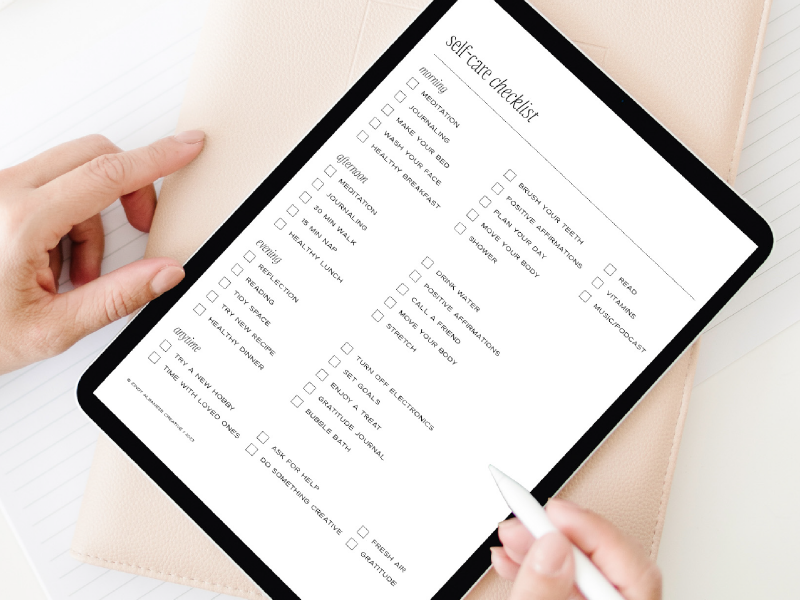
Self-care is necessary to achieving your goals. Include time for relaxation, exercise, and activities that bring you joy. Incorporate your health and wellness into your daily routine.
Make a list of ways you can practice self-care everyday. Find what works for you. Here are a few of my favorites:
Water – Drink LOTS of water.
Nutrition – Nourish your body.
Sleep – Create healthy sleep habits.
Movement – Move your body. Find something you enjoy doing. Celebrate your body and all it does for you everyday.
Fresh Air – Get fresh air. Go outside for a walk. Take a drive with the windows down.
Journaling – Brain dump everything that is stressing you out. Journal about what you are grateful for today.
Whatever is it you need at the moment, use your journal as a way to process your thoughts, feelings and emotions. Set a timer for 10 minutes and get it all on paper.
Support – Ask for support. Call a friend. Ask a loved one for some help. Find a group or mentor. Whatever you need. Don’t be afraid to ask for it.
Meditation – Get in touch with your body. Quiet your mind.
Reflection – Take time to celebrate your wins. Be proud of where you are and how far you have come. Look at your challenges as an opportunity for growth. How can you learn from them?
Review and adjust your goals. Your goals may evolve and staying flexible is key to your progress.
Step 6: Putting It All Together
Simplified planning isn’t about having a perfect roadmap. It’s really about a few simple things:
- Getting clear on what matters most to you
- Breaking big goals into small, doable steps
- Checking in regularly and reflecting on your progress
- Staying flexible when things change
- Celebrating your wins along the way
Consistency is key. When you show up for your goals regularly, you build trust with your business, your clients, and most importantly, yourself.
Take just 10 minutes today to answer one of your big-picture questions, then schedule one small action step. That’s all it takes to start moving in alignment with your vision. It’s the foundation for a productive, calm, and sustainable business.
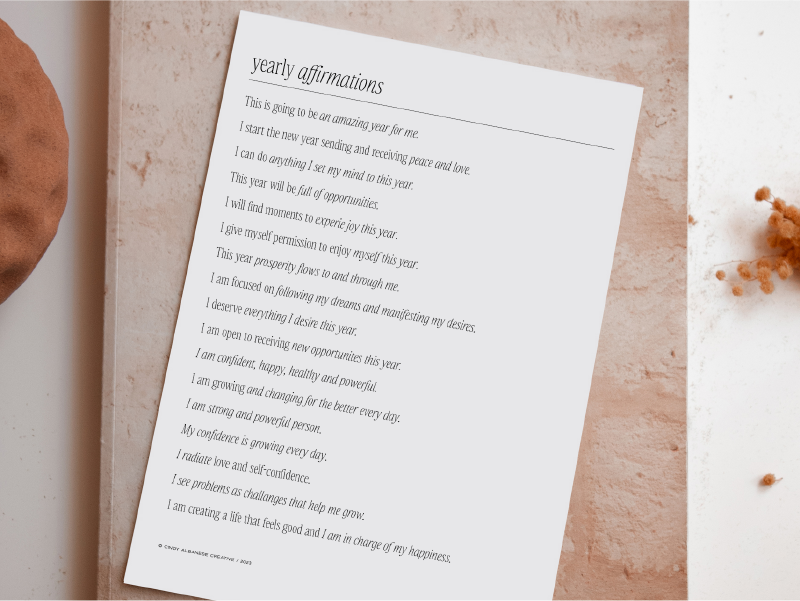
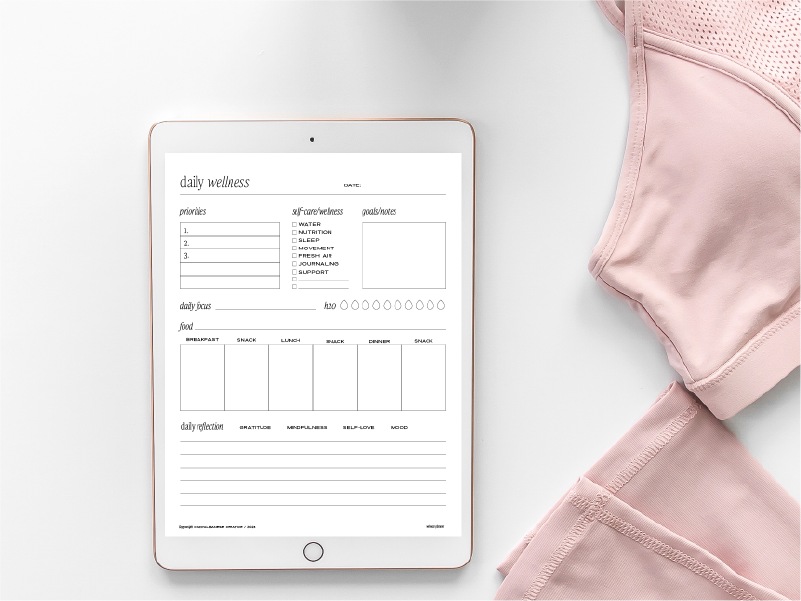
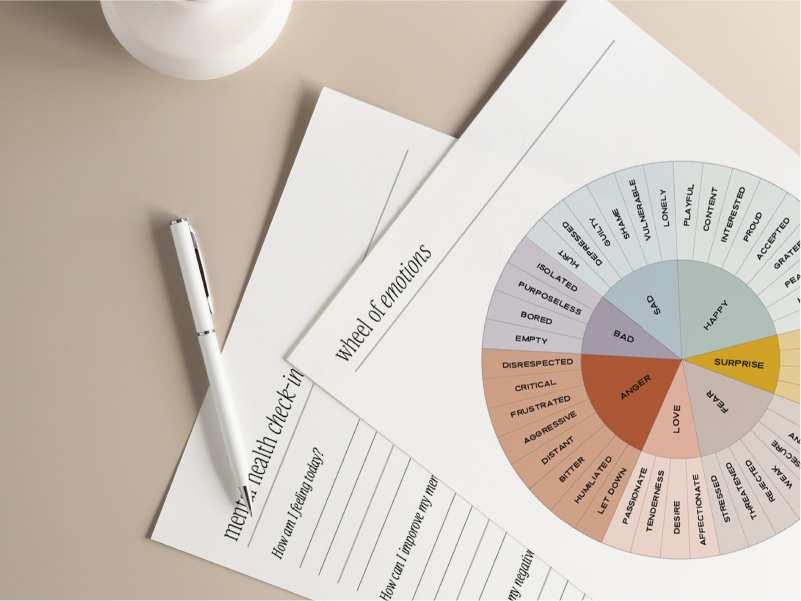
Ready to make planning feel joyful instead of stressful? Grab one of my planners on Etsy and start turning your big goals into small, doable steps today. You’ve got this!
Happy planning!

Hi, I'm Cindy. I'm a branding expert who is passionate about health and wellness.
I’m here to help you build a brand you delight in, save you time and add more joy to your business.